
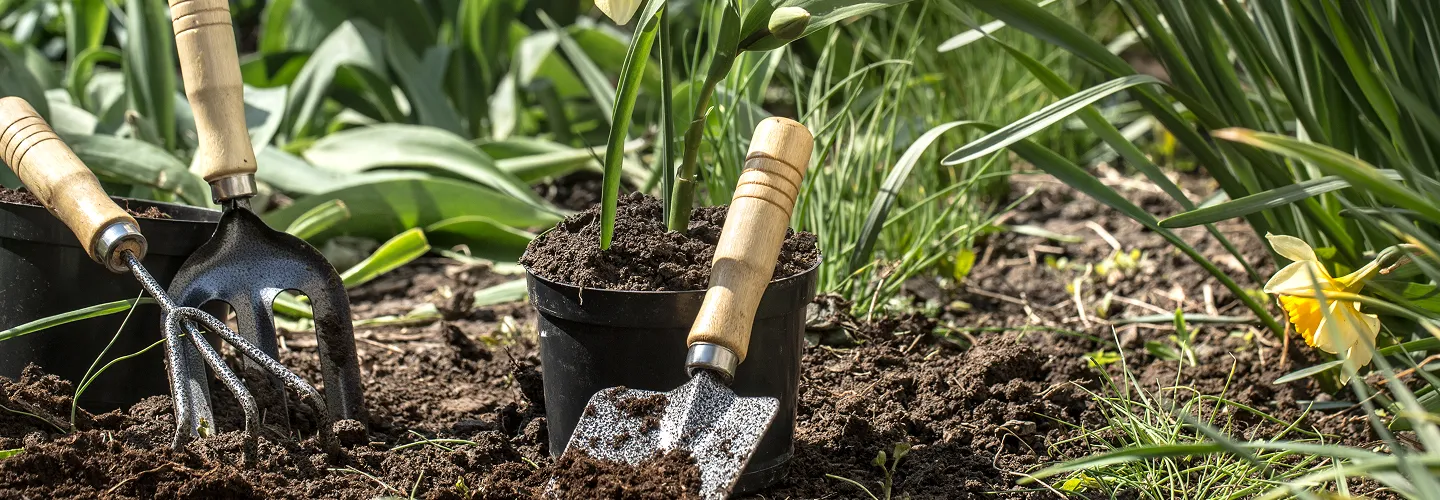
Orangetree Sod Installation Services
Choose our expert sod installation for a seamless, hassle-free transformation—enjoy a vibrant, healthy lawn from day one, backed by our commitment to quality and customer satisfaction.
Get a Free QuoteOur Orangetree Landscaping & Yard Care Services
When to Schedule Sod Installation in Orangetree, Florida – Seasonal Guide
In Orangetree, Florida, timing your sod installation is crucial for achieving a lush, resilient lawn that thrives year-round. The best periods for sod installation are typically late spring through early fall, when soil temperatures are warm and rainfall is more consistent. This window allows new sod to establish strong roots before the cooler, drier winter months. Neighborhoods near Oil Well Road and the Valencia Golf & Country Club often experience microclimates—such as increased shade from mature trees or higher humidity near water features—that can influence the ideal installation schedule.
Local environmental factors play a significant role in determining the best time for sod installation. For example, the sandy soils common in Orangetree drain quickly, making it essential to avoid periods of drought or extreme heat, which can stress new sod. Additionally, understanding the last frost date and monitoring municipal watering restrictions—often updated on the Town of Sudbury’s website—can help you plan your project for optimal results.
Local Factors to Consider for Sod Installation in Orangetree
- Tree density and shade coverage, especially in areas like the Orange Blossom Ranch community
- Soil type and drainage, with sandy soils requiring more frequent watering
- Seasonal precipitation patterns and risk of drought
- Terrain slope, which can affect water runoff and sod stability
- Municipal watering restrictions and local ordinances
- Proximity to landmarks or bodies of water that may influence humidity and microclimate
Benefits of Sod Installation in Orangetree
Instant Green Lawn
Erosion Control
Weed Reduction
Enhanced Curb Appeal
Improved Soil Quality
Professional Installation
Orangetree Sod Installation Types

Residential Sod Installation
-
Commercial Sod Installation
-
Sports Field Sod Installation
-
Golf Course Sod Installation
-
Pet-Friendly Sod Installation
-
Drought-Tolerant Sod Installation
-
Shade-Tolerant Sod Installation
Our Sod Installation Process
Site Preparation
Soil Grading
Sod Delivery
Sod Laying
Watering and Rolling
Why Choose Orangetree Landscape Services
-
Orangetree Homeowners Trust Us
-
Expert Lawn Maintenance
-
Reliable Scheduling
-
Competitive Pricing
-
Professional Team
-
Satisfaction Guarantee
-
Personalized Service
Coordinating Sod Installation Projects Through Collier County Development Services in Orangetree
Orangetree is an unincorporated community in northeastern Collier County, meaning all land development oversight, landscaping standards, and environmental review fall under Collier County government rather than a municipal authority. Residents and property managers planning sod installation should coordinate with Collier County Development Services for any site work that involves grading changes, drainage modifications, or landscaping tied to new construction or substantial renovation. The county's environmental landscaping requirements may apply when sod installation is part of a larger development project, particularly on parcels adjacent to preserves, wetlands, or stormwater management areas common throughout the Orangetree community. Before beginning subgrade preparation, property owners should verify whether their parcel falls within a special overlay or environmental sensitivity zone by consulting the county's planning and zoning resources.
- Confirm zoning and land-use compliance before grading or soil import through Collier County Planning and Zoning Resources
- Review environmental landscaping standards for parcels near preserves or wetland buffers
- Coordinate with Collier County Water Services if irrigation connections or reclaimed water lines are involved
- Verify that any fill material or topsoil delivery does not obstruct county rights-of-way or swale drainage
Collier County Development Services
2800 N. Horseshoe Drive, Naples, FL 34104
Official Website: Collier County Development Services
Collier County Environmental Landscaping
2800 N. Horseshoe Drive, Naples, FL 34104
Official Website: Collier County Environmental Landscaping
How Orangetree's Sandy Inland Soils and Subtropical Heat Affect Sod Establishment
Orangetree sits within USDA Hardiness Zone 10a, in the subtropical inland corridor of southwest Florida. The area experiences intense summer heat, high humidity from May through October, and a pronounced wet season that delivers the majority of annual rainfall between June and September. These conditions directly shape how sod must be prepared, installed, and maintained during establishment. Orangetree's soils are predominantly deep, poorly to moderately well-drained fine sands typical of inland Collier County, which drain rapidly but retain very little moisture or nutrients. This sandy profile means that freshly laid sod can dry out within hours during peak summer heat if irrigation is not immediately available and uniformly distributed.
- Rapid drainage: Sandy soils require frequent, light irrigation cycles during the first two weeks after installation to prevent sod from lifting or desiccating at the edges
- Nutrient leaching: Nitrogen and potassium move quickly through sandy substrates, increasing the risk of fertilizer reaching groundwater or nearby canal systems
- High water table variability: Some Orangetree parcels sit near seasonal high water tables, which can cause waterlogging during wet-season peaks and complicate subgrade compaction
- Fungal pressure: Sustained humidity and warm overnight temperatures create favorable conditions for large patch disease and gray leaf spot in St. Augustinegrass, the most commonly installed turf species in this region
The USDA Web Soil Survey provides parcel-level soil data that can help property owners and installers anticipate drainage behavior before beginning subgrade preparation.
Navigating Collier County Regulations and Stormwater Compliance for Sod Installation
Sod installation in Orangetree must account for several layers of county and state regulatory context. Collier County enforces landscaping and land development codes that govern vegetation coverage, stormwater management, and environmental buffers. When sod installation is part of a permitted development project, the county may require a landscape plan that demonstrates compliance with native vegetation retention, irrigation efficiency, and stormwater runoff standards. Even for standalone residential sod replacement, property owners should ensure that grading work does not redirect surface water onto adjacent parcels or into county swale systems.
- Collier County's fertilizer ordinance, consistent with Florida Statutes §403.9337, restricts nitrogen and phosphorus application during the summer rainy season; verify current blackout dates before applying starter fertilizer to new sod
- The Florida DEP NPDES Stormwater Program requires that land-disturbing activities prevent sediment and nutrient discharge into stormwater conveyances, which is directly relevant when importing fill or topsoil for subgrade correction
- Irrigation systems used for sod establishment must comply with South Florida Water Management District watering restrictions; schedules may vary by drought stage and time of year, so property owners should confirm current allowances through UF/IFAS Water Restrictions guidance
- Any pesticide or herbicide application during sod preparation requires proper licensing through the Florida Department of Agriculture and Consumer Services
Collier County Pollution Control
2800 N. Horseshoe Drive, Naples, FL 34104
Official Website: Collier County Pollution Control
Timing and Professional Standards for Sod Installation in Orangetree's Climate
The optimal window for sod installation in Orangetree falls during the early wet season, from late May through July, when consistent rainfall supplements irrigation and warm soil temperatures promote rapid root establishment. Installation during the dry season (November through April) is feasible but demands significantly more irrigation input, which may conflict with water conservation restrictions. Mid-summer installations after August carry elevated fungal risk due to saturated soils and persistent humidity. Regardless of timing, professional subgrade preparation is the most critical factor in long-term sod performance on Orangetree's sandy soils.
- Subgrade preparation: Remove all existing vegetation, debris, and rocks; grade the surface to direct water away from structures and toward designated drainage points; lightly compact the soil to prevent settling without creating an impervious layer
- Turf selection: St. Augustinegrass (Floratam and CitraBlue cultivars) is the most widely suited species for Orangetree's sun exposure and soil conditions; bahiagrass may be appropriate for larger, lower-maintenance parcels; UF/IFAS Gardening Solutions provides cultivar-specific guidance
- Irrigation uniformity: Ensure full head-to-head sprinkler coverage before sod delivery; newly installed sod typically requires multiple short irrigation cycles daily during the first 7–14 days, tapering to deeper, less frequent watering as roots establish
- Seam and edge management: Stagger sod seams in a brick-lay pattern, press edges firmly together without overlapping, and avoid leaving gaps that expose bare soil to erosion or weed invasion
- Starter fertilizer: If applied, use a low-phosphorus formulation only after confirming compliance with Collier County's fertilizer ordinance and current seasonal restrictions
What Neighborhoods Do We Serve Throughout Orangetree, FL?
- Orangetree Unit 1: One of the original residential sections of the community, featuring established lots with mature landscaping and sandy native soils that may require topsoil amendment before sod installation to improve moisture retention.
- Orangetree Unit 2: Larger residential parcels in this section often border preserve areas and drainage easements, requiring careful grading to maintain stormwater flow patterns during subgrade preparation.
- Orangetree Unit 3: Properties here frequently feature well and septic systems rather than county utilities, which affects irrigation planning and the placement of heavy equipment during sod delivery.
- Randall Boulevard Corridor: Parcels along this corridor tend toward larger acreage with mixed sun and partial shade from mature oaks and pines, influencing turf cultivar selection and irrigation zone design.
- Golden Gate Estates (Northern Sections near Orangetree): Adjacent estate-sized lots share similar sandy soil profiles and canal-adjacent drainage conditions, making runoff management and swale protection essential during any sod installation project.
- Oil Well Road Vicinity: Newer development activity near Oil Well Road introduces fill-based soil conditions on recently graded lots, often requiring additional soil testing and compaction assessment before sod is laid.