
Orangetree Brush Removal Services
Choose our expert brush removal services for a safer, cleaner, and more beautiful property—our experienced team ensures fast, thorough clearing with minimal disruption, giving you peace of mind and a landscape you’ll love.
Get a Free QuoteOur Orangetree Landscaping & Yard Care Services
When to Schedule Brush Removal in Orangetree, Florida – Seasonal Guide
In Orangetree, Florida, timing your brush removal is essential for maintaining a healthy and attractive landscape. The subtropical climate means that vegetation grows rapidly, especially during the warm, humid months. The best periods for brush removal are typically late winter through early spring, before the onset of the rainy season and after the last frost date. This timing helps prevent regrowth and minimizes disruption to local wildlife. Neighborhoods near Corkscrew Swamp Sanctuary and along Immokalee Road often experience dense undergrowth due to high humidity and shaded lots, making regular brush management even more important.
Local environmental factors such as sandy soils, periodic drought risk, and municipal guidelines—like those set by Collier County—should be considered when planning your service. For example, areas around Orangetree Park may have specific restrictions on debris disposal. For more information on local regulations, visit the Sudbury municipal site. Consulting with a professional who understands Orangetree’s unique landscape ensures your property remains safe, compliant, and visually appealing.
Local Factors to Consider for Brush Removal in Orangetree
- Tree density and type of vegetation
- Terrain and soil composition (sandy vs. loamy)
- Seasonal precipitation and drought risk
- Frost dates and temperature fluctuations
- Shade coverage from mature trees
- Municipal restrictions on brush disposal
- Proximity to protected areas or wildlife habitats
Benefits of Brush Removal in Orangetree

Enhanced Curb Appeal
Improved Property Safety
Prevention of Pest Infestations
Increased Usable Outdoor Space
Reduced Fire Hazards
Healthier Landscape Growth
Orangetree Brush Removal Types

Manual Brush Clearing
-
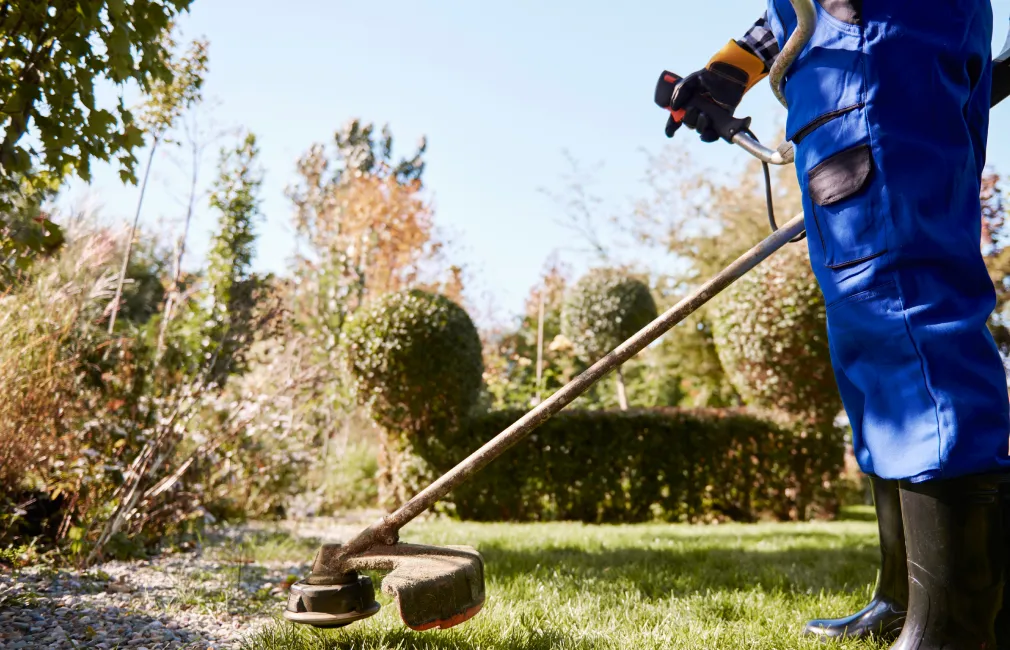
Mechanical Brush Removal
-
Selective Brush Thinning
-
Mulching and Chipping
-
Controlled Burning
-
Herbicide Application
-
Stump Grinding and Removal
Our Brush Removal Process
Site Evaluation
Safety Preparation
Brush Clearing
Debris Removal
Final Inspection
Why Choose Orangetree Landscape Services
-
Orangetree Homeowners Trust Us
-
Expert Lawn Maintenance
-
Reliable Scheduling
-
Competitive Pricing
-
Professional Team
-
Satisfaction Guarantee
-
Personalized Service
Coordinating Brush Removal Services Through Collier County Departments in Orangetree
Orangetree is an unincorporated community within Collier County, which means all brush removal coordination flows through county-level departments rather than a municipal government. Residents and property managers should contact Collier County Development Services to determine whether site-specific brush clearing—particularly on parcels adjacent to preserves, wetlands, or drainage easements—triggers any land development review. Vegetative debris generated from brush removal must be handled in accordance with Collier County's solid waste and yard waste collection guidelines; brush piles placed curbside typically must be cut to specified lengths and separated from household waste, though residents should verify current bundling and pickup requirements directly with the county's waste management division.
- Contact Collier County Development Services before clearing brush on parcels near environmental overlays or conservation easements
- Confirm yard waste pickup schedules and brush pile size limits through the county's solid waste program
- Properties along canal banks or within drainage easements may require coordination with Collier County Water Services Engineering before removal begins
Collier County Development Services
2800 N. Horseshoe Drive, Naples, FL 34104
Official Website: Collier County Development Services
How Orangetree's Subtropical Climate and Sandy Soils Accelerate Brush Accumulation
Orangetree sits within USDA Hardiness Zone 10a, in the South Florida subtropical corridor of eastern Collier County. The area receives approximately 50–60 inches of rainfall annually, with the majority concentrated between June and October. This intense wet season drives rapid vegetative growth, causing Brazilian pepper, earleaf acacia, melaleuca regrowth, and native understory species to produce dense brush in a matter of weeks. The sandy, poorly drained flatwoods soils common throughout Orangetree—often with a high seasonal water table—create conditions where organic debris decomposes slowly and brush piles retain moisture, attracting pests and promoting fungal growth.
- Summer heat indices regularly exceed 100°F, accelerating both growth and decomposition cycles
- Sandy soils drain quickly at the surface but saturate at shallow depths during wet season, complicating equipment access for brush hauling
- Brush accumulation near swales, retention ponds, and canal edges can obstruct stormwater flow and contribute sediment and organic loading to drainage infrastructure
- High humidity promotes rapid regrowth of cleared areas, requiring follow-up monitoring within weeks of initial removal
These conditions make timing and disposal logistics critical considerations for any brush removal project in the Orangetree area, as referenced in UF/IFAS guidance on protecting Florida's water resources.
Navigating Collier County's Environmental and Stormwater Regulations for Brush Removal
Brush removal in Orangetree must account for several layers of county and state environmental regulation. Collier County's Land Development Code includes provisions for native vegetation preservation, and clearing brush on undeveloped or partially developed parcels may require review through the county's Environmental Landscaping division, particularly where protected species habitat or wetland buffers are present. The Florida DEP NPDES Stormwater Program applies to land-disturbing activities that could discharge sediment or organic material into the county's MS4 stormwater system, and brush removal near canals, retention basins, or roadside swales must prevent debris from entering these conveyances.
- Verify whether the parcel falls within a Collier County environmental overlay or conservation area before initiating clearing
- Brush removal that exposes bare soil on slopes or near drainage features may require temporary erosion controls such as silt barriers
- Disposal of invasive species debris (such as Brazilian pepper or melaleuca) should follow county guidelines to prevent re-establishment
- The Clean Water Act prohibits discharge of pollutants, including vegetative debris and sediment, into waters of the United States
Collier County Pollution Control
Official Website: Collier County Pollution Control
Florida Forest Service – County Forester Directory
Official Website: Florida County Forester Directory
Timing and Methods for Professional Brush Removal in Orangetree's Wet and Dry Seasons
Professional brush removal in Orangetree should be scheduled with careful attention to seasonal conditions. The dry season—typically November through May—offers the most favorable window for large-scale clearing, as lower water tables improve equipment access and reduce the risk of soil rutting on sandy substrates. During wet season, saturated ground conditions can make heavy machinery impractical on many Orangetree parcels, and exposed soil is far more vulnerable to erosion and sediment transport into nearby swales and retention areas.
- Schedule major brush clearing during the dry season when ground conditions are firm and fire risk from accumulated dry material can be managed
- Cut brush should be chipped, hauled, or staged for pickup promptly; piles left on-site during wet season become breeding habitat for mosquitoes and rodents
- Maintain a minimum buffer of undisturbed vegetation along canal banks, pond edges, and wetland boundaries unless county review authorizes full clearing
- Use ground-protection mats or low-pressure equipment on parcels with high water tables or soft sandy soils to prevent compaction and rutting
- Follow up cleared areas with erosion-control seeding or mulch cover within 48–72 hours to stabilize exposed soil, consistent with EPA stormwater best management practices
Operators handling herbicide application on cut stumps to prevent regrowth of invasive species must hold appropriate FDACS pesticide applicator certification.
What Neighborhoods Do We Serve Throughout Orangetree, FL?
- Orangetree PUD — This planned unit development features larger residential lots with mature native vegetation buffers, where brush accumulation along property lines and drainage easements requires regular clearing to maintain stormwater flow and reduce wildfire fuel loads.
- Randall Boulevard Corridor — Properties along this primary east-west corridor often include deep setbacks with dense understory growth; brush removal here must account for right-of-way clearance and visibility at driveway access points.
- Golden Gate Estates (Northern Sections) — The large, semi-rural parcels in northern Golden Gate Estates adjacent to Orangetree frequently accumulate heavy brush due to minimal HOA oversight, with sandy flatwoods soils and seasonal flooding influencing equipment access and disposal logistics.
- Oil Well Road Area — Parcels near Oil Well Road often border canal systems managed by the South Florida Water Management District, requiring careful brush staging to prevent debris from entering drainage infrastructure.
- Immokalee Road East Corridor — Properties along the eastern stretch of Immokalee Road near Orangetree include newer subdivisions where fill soils and graded retention areas create unique brush management needs around pond edges and perimeter berms.